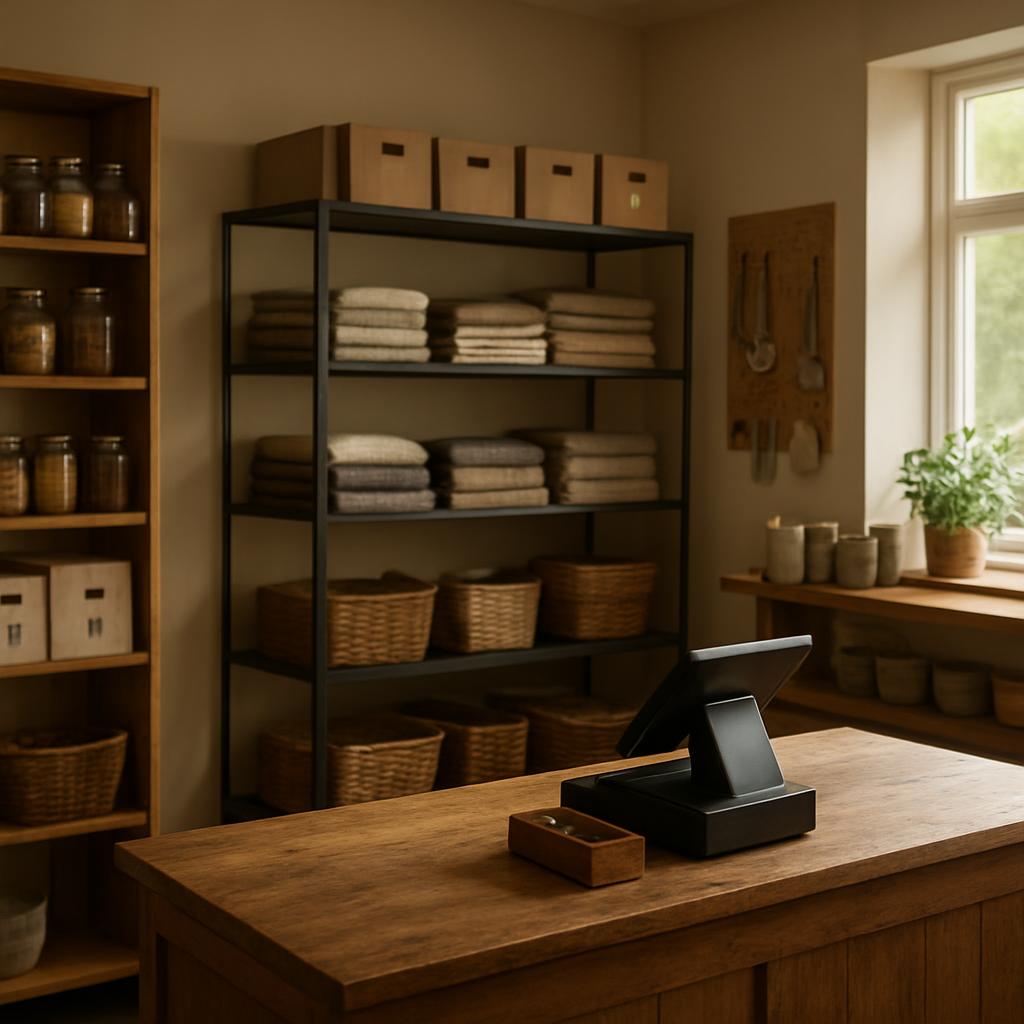
How Fellgate Businesses Store Smarter
Find Out More →Walk past any established business in Fellgate—a plumbing outfit, a small retail shop, a contractor's yard—and you'll notice something. They're not drowning in their own stock or equipment the way a lot of households are. That's not luck. It's a system. And it starts with how they think about self storage.
Most homeowners treat self storage as a last resort: the attic overflows, the garage becomes unusable, so you rent a unit. Businesses can't afford that approach. They plan for it. They rotate stock. They're deliberate about what stays and what goes. And honestly, their method works just as well for a household as it does for a shop floor.
Why businesses book storage before they need it
Here's the difference: a local business will book self storage space the moment they see they're going to outgrow what they've got. They don't wait until Monday morning when everything's piled up and inaccessible. They're thinking three months ahead.
For households, this translates to a simple shift. Instead of waiting until your spare room or garage is completely unusable, think about storage as something you sort out when you've got a clear picture of your space needs—before the clutter crisis hits. If you're renovating, downsizing, or expecting a new addition to the family, book a unit then. Not when you're stressed and have no choice.
This approach also means you're not rushing to secure space at peak times, and you can choose the unit size that actually works rather than whatever's left available.
What gets stored, and what doesn't
A business keeps stock and tools at their storage unit because those things generate income or solve a specific problem. A hammer gets stored because it's used regularly. A seasonal display gets stored because it'll be needed in six months. Nothing sits there gathering dust by accident.
Apply that logic at home. Before you put something in storage, ask: will I actually use this again? Will I feel the loss if it's gone? Is it worth paying to keep it? You'd be surprised how many people rent a unit for boxes they never open. Businesses don't do that—they can't afford to. Neither can you, not really.
Sort what's leaving your house into three piles: keep it accessible (regularly used), store it (seasonal, sentimental, genuinely needed but not daily), and let it go. That ruthlessness is what keeps storage costs down and actually frees up the space you're paying for.
Rotation and accessibility matter more than size
A local business using self storage doesn't just dump everything in and hope for the best. They organise it so they can find what they need without unpacking the whole unit. Seasonal stock gets labelled and stacked logically. Tools are accessible. Nothing's buried under something else that's never moving.
At home, that means treating your storage unit like an extension of your space—not a dumping ground. Use boxes that stack neatly. Label everything clearly. Keep things you might need to access again—or rotate seasonally—toward the front. Photography equipment, Christmas decorations, garden furniture: these all benefit from being stored in a way you can actually get to them.
Businesses also rotate stock in and out regularly, which means they're not paying to store dead weight. If you've got items you genuinely want to keep but don't need immediate access to, self storage works. But if you're storing something out of vague guilt and it hasn't moved in two years, that's on you.
Planning around Fellgate's weather realities
Anyone who's lived here for a winter knows the Tyne area gets wet. Surface water floods aren't rare around South Tyneside, and that's something local businesses factor into their storage planning. Important stock, equipment that'd be ruined by water, anything irreplaceable—they make sure it's stored securely and kept above floor level.
Homeowners should think the same way. If you're storing sentimental items, photographs, documents, or anything that matters, make sure your unit is dry and secure. This guide explains more about matching your storage needs to local conditions—and it's worth a read if you're keeping valuables or items that can't be replaced.
The space you'll actually get back
Here's the real payoff that businesses understand and homeowners often miss: self storage isn't really about the unit. It's about what you reclaim at home. A business that's moved seasonal stock to self storage suddenly has floor space, which makes work faster and safer. A household that's moved boxes of old clothes, sports equipment, and holiday decorations suddenly has a usable garage, a bedroom, or a clear hallway.
That's the lesson. Read more here about how businesses measure the real value of storage—and you'll see it's not about the cubic feet you're renting. It's about the space you're getting back in your own home.
If your house is starting to feel cramped, or you've got boxes in places they shouldn't be, it might be time to think like a business owner: plan ahead, be selective, and book storage that actually fits your life. That's exactly what Self Storage Fellgate is here for.
Get in touch with us to discuss a unit that works for you—whether you're storing seasonally, downsizing, or just need breathing room while you sort things out.
Looking for Self Storage near Fellgate?
We have secure, flexible units available in the area. Get in touch with Self Storage Fellgate today.
Find Out More →